A move away from deep strip-till to shallow strip-till is boosting Josh Sullivan’s bottom line in Morrisonville, Ill., proving once again that strip-till isn’t a one-size-fits-all solution and there are multiple ways to succeed with the practice.
Sullivan started strip-tilling in 2010. He used a John Deere 2510S Residue Master to build strips 9-10 inches deep and apply anhydrous ammonia in the fall.
“Before then, we were doing conventional tillage ahead of corn and soybeans,” Sullivan recalls. “We started testing if conventionally tilled soybeans would outyield no-till soybeans. It turned out, they didn’t. So, we determined we didn’t need to be doing all this heavy tillage anymore and we switched to a strip-till, no-till system.”
Now, Sullivan strip-tills all corn, no-tills soybeans and seeds cover crops in fields going to soybeans next spring.
Shallower & Faster
With chemical, fuel and labor costs on the rise, Sullivan decided it was time to adjust his strip-till system. The first change was to his nitrogen (N) program.
“In the last 2 years, I’ve gone away from applying anhydrous in the fall because we have better corn yields when we apply nitrogen pre-plant and with our sidedress bar,” Sullivan says. “Our ground is so heavy, and with the major rain events that we’ve had recently, it just seemed like we were losing nitrogen more easily when it was applied in the fall.”
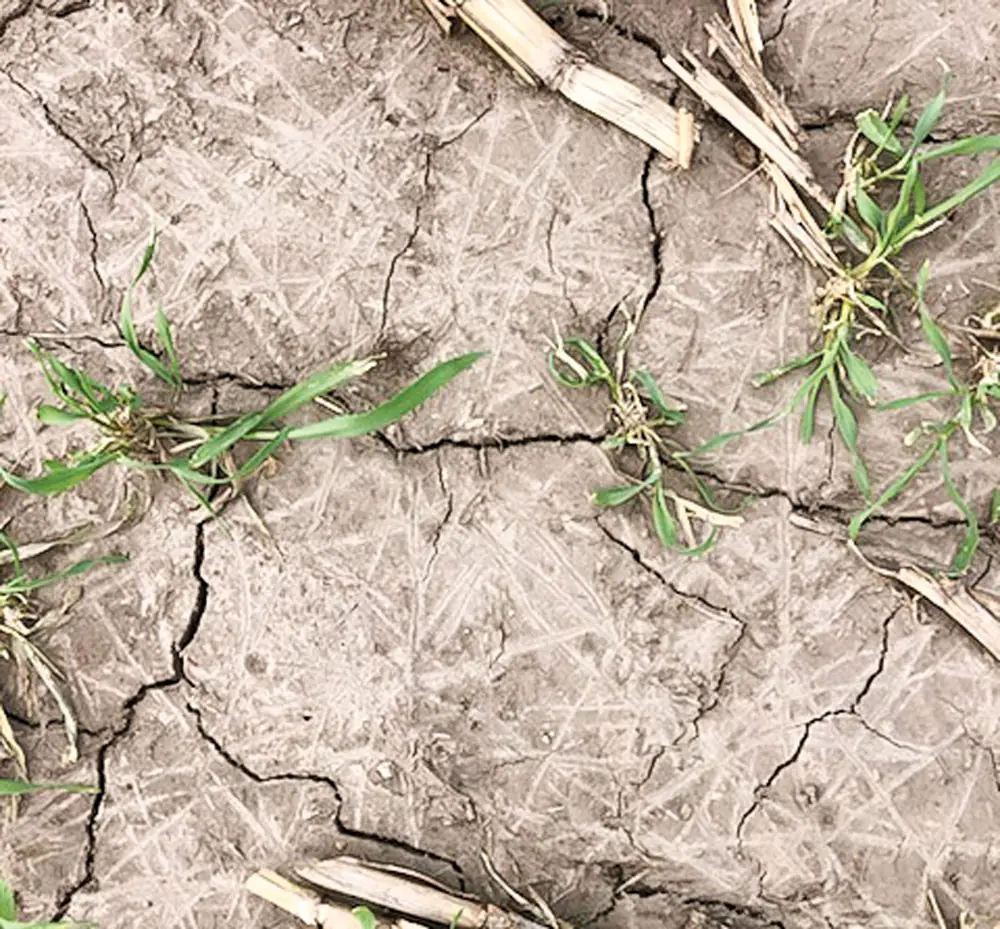
Sullivan started building strips in the spring at a shallower depth of about 2 inches. The move put hours back on the clock in the fall, allowed him to cover ground faster in the spring and get more bang for his buck with fertilizer.
“Try to match your strip-till rig to the rows on your planter…”
“There’s a huge benefit to banding nitrogen closer to corn,” Sullivan says. “I’ve found that it’s better than just broadcasting it like a weed and feed type system.”
To get the job done, he bought a 24-row Fast Ag DuraPlacer with Yetter Strip Freshener CC (Cab Control) units and a 2,400-gallon liquid fertilizer tank.
“If you can swing it, try to match your strip-till rig to the rows on your planter,” Sullivan says. “It can get a little expensive if it’s a 24-row strip-till bar, but we finally made it happen on our farm and it’s making it so much easier for the planter to follow. We don’t have any weird guess rows and the planter lines up perfectly with the strips.”
Sullivan runs a 24-row John Deere planter with Yetter Twister Closing Wheels. He removed the row cleaners, as the strip-till bar does a good job clearing residue ahead of planting.
Springboard for Corn & Covers
Sullivan applies about 24 gallons per acre of 28-0-0-5 (28% N, 5% sulfur) with his strip-till bar, which gets the corn off to a good start. He plants corn about 2 inches deep shortly after building the spring strips.
“All the residue gets moved out of the way. You can strip-till and then plant immediately behind the bar,” Sullivan says. “When we first started strip-tilling we would run the toolbar 10 inches deep. And after we got our soils all loosened up, we stopped doing heavy tillage. I don’t see any benefit from going that deep. We just need to prepare a place to plant corn, and the yields have been good so far.”
He sidedresses the remainder of his N, starting around V1-V3. Sullivan says yields have increased to as high as 240 bushels per acre in some fields since he started building shallow strips and split-applying N (130 units with the sidedress bar, 70 units with the strip-till bar).
By switching from fall to spring strip-till, Sullivan has more time to focus on seeding cereal rye on fields going to soybeans, which he’s been doing in a variety of ways since 2019.
“We’ve used an air seeder. We’ve also blended the cover crop seed with our dry fertilizer and then vertical-tilled it in,” Sullivan says. “That cover crop really helps get the top inch or two of soil drier, and it’s easier to plant into than just straight no-tilling beans. The ground’s looser and the cover crop pulls some extra moisture out. If you get too dry, that can be a problem, but we don’t seem to have that problem in my county.”