
Strip-Till Farmer editors encounter a variety of articles, social media posts, podcasts and videos that offer a unique look at the grower's world from the lofty digital realm. Here is our favorite content from the past week from across the web:
- Planting 9-Way Cover Crop Mix in July
- Michigan State Hosting Strip-Till Field Day
- Letting Go of Tillage: The 7 Stages of Grief
- 4 Big Questions When Getting Started with Strip-Till
- Exploring How Long-Term Soil Health Pays
Planting 9-Way Cover Crop Mix in July
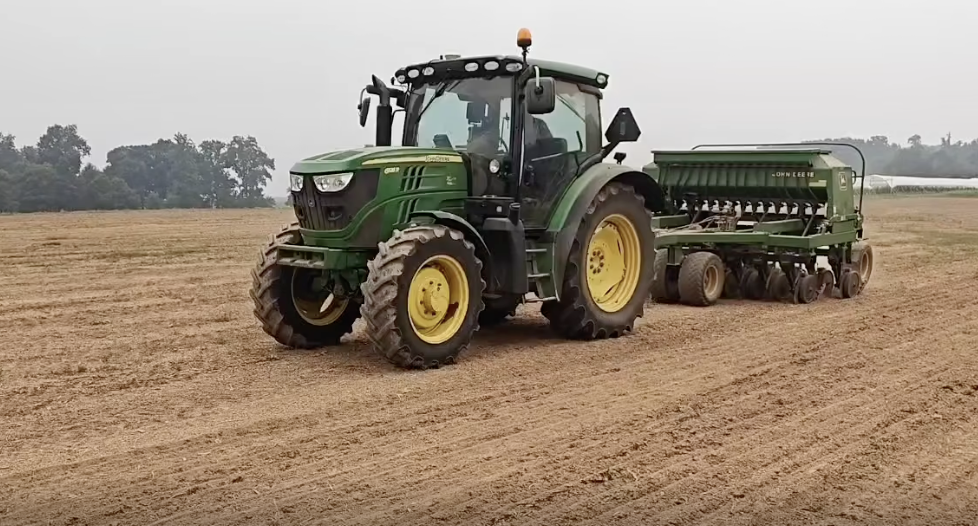
The great Steve Groff is staying busy in Holtwood, Penn., this summer. The No-Till Innovator just planted a 9-way cover crop mix, including okra, dill, pearl millet, radish, sunflower, sesame seed, sugar beets, phacelia and sorghum sudangrass.
Michigan State Hosting Strip-Till Field Day
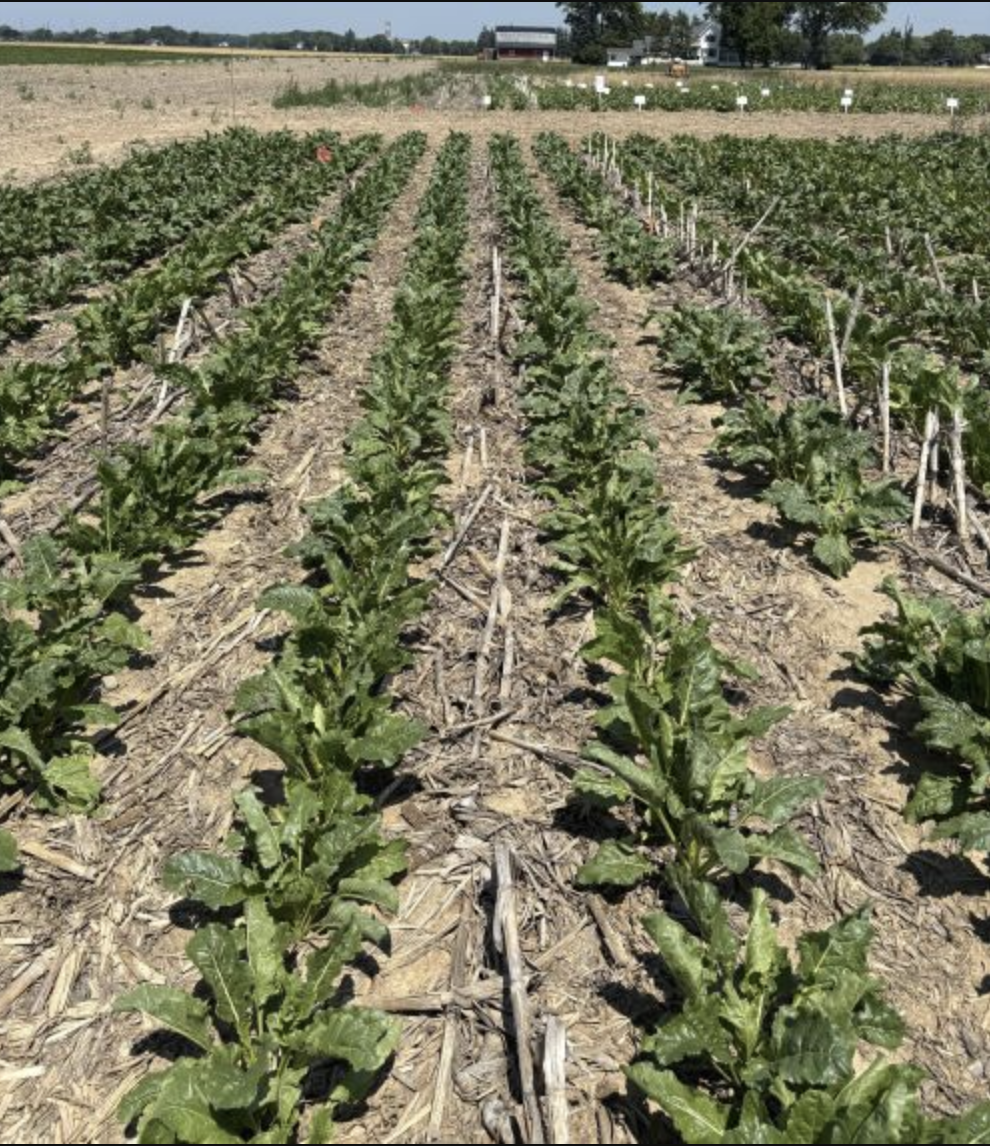
Strip-till and sugar beets will take center stage this week during a special on-farm demonstration in Kawkawlin, Mich. Michigan State Univ. Extension, the Nature Conservancy and the Michigan Sugar Company are hosting a strip-till field day, this Wednesday at 9 a.m.
Letting Go of Tillage: The 7 Stages of Grief
Alan Kraus, soil health specialist with the Rice SWCD, says in many ways, the transition to strip-till/no-till can resemble the 7 stages of grief as farmers work through the emotional and management changes that come with reducing tillage. “Over time, the benefits become increasingly visible: improved soil structure, more earthworms and biological activity, better water infiltration, reduced erosion, lower fuel and labor costs, greater resilience during wet and dry weather and improved long-term profitability,” Kraus writes in this Faribault Daily News guest column. Kraus and the Rice/Steele SWCD are bringing up to 50 farmers to the National Strip-Tillage Conference, Aug. 6-7 in Springfield, Ill.

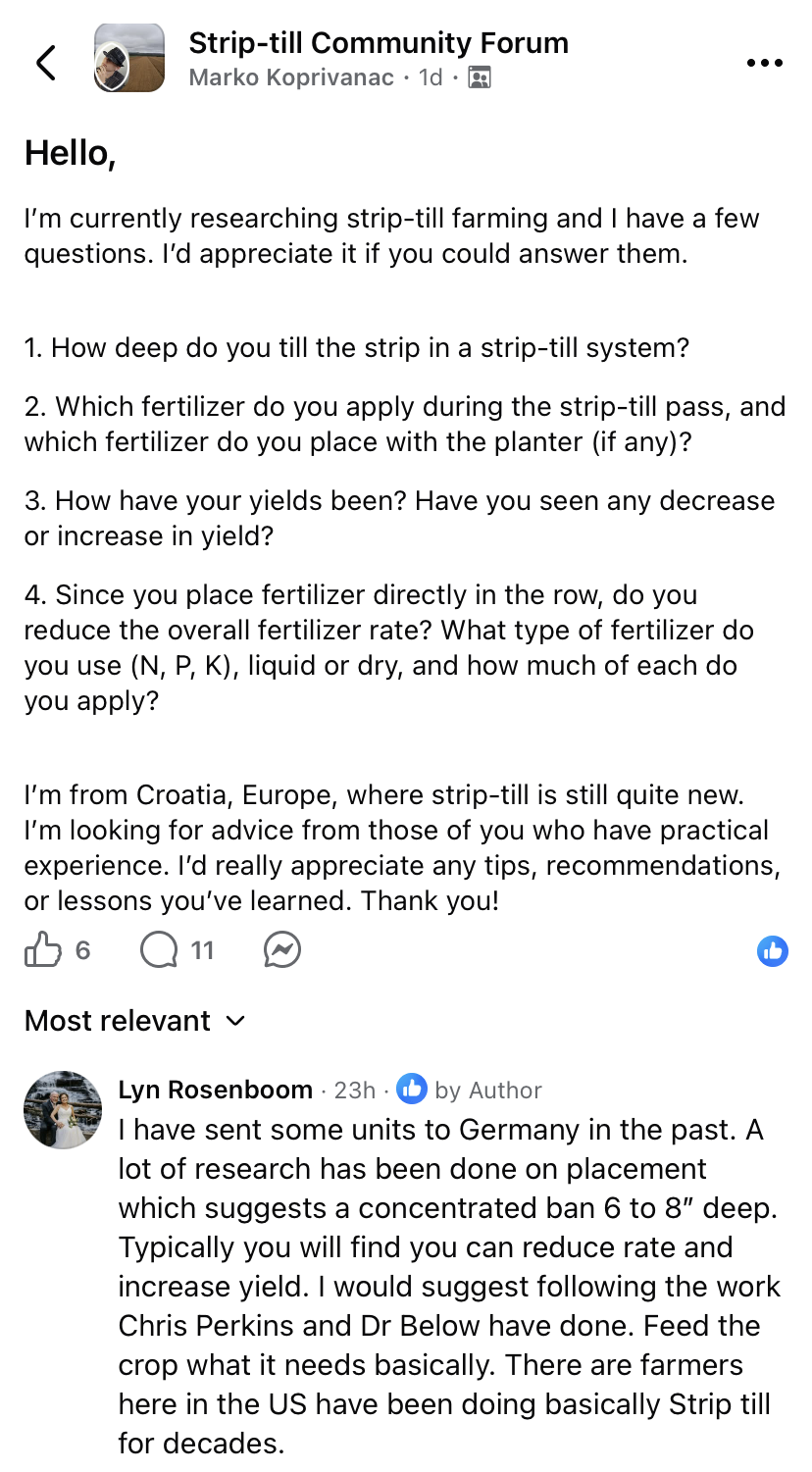
4 Big Questions When Getting Started with Strip-Till
Strip-till beginner Marko Koprivanac is from Croatia, where the practice is relatively new. He’s looking for advice, tips and recommendations in this Strip-Till Community Forum post on Facebook. Marko asked 4 big questions to the group. How deep do you till? Which fertilizer do you apply during the strip-till pass and with the planter? How have your yields been since switching to strip-till? Do you reduce your overall fertilizer rate? Check out some of the top answers in the comments section, and share your thoughts with Marko.
Exploring How Long-Term Soil Health Pays
Over time, multiple studies have shown that healthy soil benefits your bottom line. Explore this Soil Health Institute profitability study, where cotton net income rose an average of $108/acre for Alabama farmers using soil health practices for at least five years. In this webinar, Soil Health Institute Educator Jessica Kelton walks through findings from the farmers, and Marjory Walker of the U.S. Cotton Trust Protocol moderates a Q&A with Jessica, Wendiam Sawadgo (Auburn University), and Dr. Archie Flanders (SHI Agricultural Economist).
Is there something you want to share in "This Week"? Send us an email.