

Strip-Till Farmer editors encounter a variety of articles, social media posts, podcasts and videos that offer a unique look at the grower's world from the lofty digital realm. Here is our favorite content from the past week from across the web:
- Fertilizer Prices Putting Squeeze on Farmers for 2026
- Farmers Deal with Historic Flooding
- From High-Speed Disc to Strip-Till Rig: Farmer Shares Experience
- Strip-Till Feature: Greg Greving
- Small Grain Harvest Slows for Strip-Tillers
Fertilizer Prices Putting Squeeze on Farmers for 2026
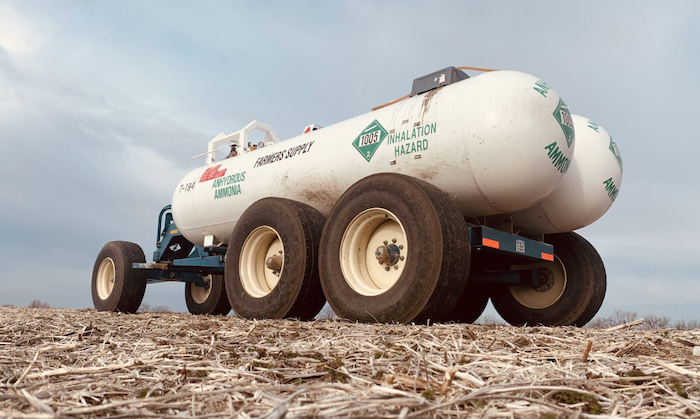
Gary Schnitkey, farm management specialist at Univ. of Illinois, says some farmers in the Land of Lincoln are cutting back fertility budgets or planning on picking up more soybean acres if the market doesn’t turn around soon. But strip-till expert Fred Below tells Brownfield that cutting back on fertility can have long-term impacts on yield. “If I want to get the most out of that input, I’m going to have to think about how I fertilize differently. I’m a huge proponent of fertilizer placement, things like strip-till,” Below says.
Source: Brownfield
Farmers Deal with Historic Flooding
Strip-till fields were hit by a massive rainfall event earlier this month in southeastern Wisconsin. CBS 58 catches up with a couple farmers who received around 10 inches of rain in one day! They’re calling it a 1,000-year event, meaning it had a 1 in 1,000 chance of happening.
From High-Speed Disc to Strip-Till Rig: Farmer Shares Experience
Thamesford, Ont., farmer Matt Langford is trying strip-till for the first time in 2025. On this episode of RealAgriculture’s Edible Bean School, Langford shares his experience using an ETS SoilWarrior to plant dry beans in 20-inch rows.
Strip-Till Feature: Greg Greving
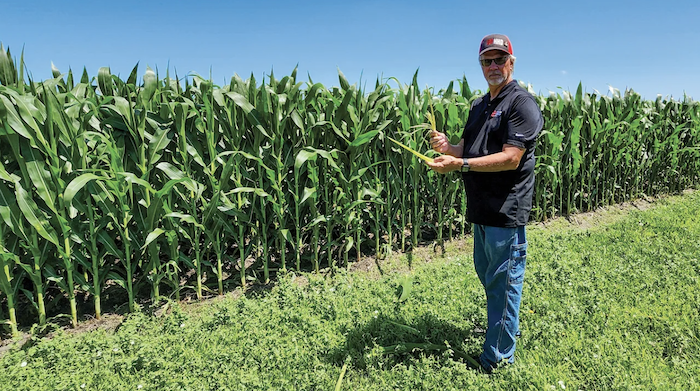
Greg Greving takes readers inside his strip-till origin story in this Nebraska Farmer feature. The Chapman, Neb., strip-tiller stays up to date on the latest equipment and technology at Husker Harvest Days, an event he’s been attending annually since 1978!
Source: Lauren Balcom
Small Grain Harvest Slows for Strip-Tillers
Luverne, Minn., strip-tillers Becky and Shawn Feikema update Tri-State Neighbor readers on their growing season. The Feikemas had a hard time getting dry enough conditions to harvest rye, oats and triticale. “Yields for the trit were disappointing again, around 40 bushels per acre. We are working on oat harvest right now and pleased with the yields, about 120 bushels per acre. All of these grains were grown on contract for seed production, so it is nice to have the yields to fulfill those contracts.”
Is there something you want to share in "This Week"? Send us an email.