One of the often-mentioned benefits of strip-till is its adaptability to different regions, climates and soil types. That’s not to say success is universal, but advantages tied to soil strength and fertilizer retention can offer enough incentive to at least experiment with a system.
Flexibility is a big benefit strip-tillers often point to when adopting the system, and timing berm-building to match field conditions is essential to creating an ideal seedbed.
Strip-tillers routinely evaluate and experiment with fertilizer application methods, which can include a decision to implement a dry or liquid program.
Earlier this month, I had the opportunity to spend a few days visiting several strip-tillers in eastern Nebraska, in the aftermath of severe storms that pummeled the area. Driving along the county roads between Lincoln and Omaha, a common sight was washed out areas in farm fields.
The science behind sugar application is pretty simple, says Persia, Iowa, farmer Bill Darrington. For example, applying roughly 1 pound per acre during a pre-emergence herbicide application can alter the carbon-nitrogen ratio in corn residue and help it breakdown faster.
Spring planting is off to an encouraging start in many areas after a prolonged stretch of wet weather, especially in the Midwest. Last week, Iowa Secretary of Agriculture Bill Northey estimated that about 13% of the state’s corn had been planted.
One of the primary benefits farmers often point to with strip-till is yield consistency. In talking with both experienced and new strip-tillers, many often cite year-over-year corn yield averages that may vary by only a bushel or two, compared to more dramatic variability with other tillage methods.
Texas strip-tiller Steve Olson to discuss proven water-retention techniques and tips to maximize yield potential at the 2016 National Strip-Tillage Conference.
Texas strip-tiller Steve Olson to discuss proven water-retention techniques and tips to maximize yield potential at the 2016 National Strip-Tillage Conference.
With the environmental impact of farming practices on the national radar, strip-tillers often credit their transition to the practice — and specifically banding nutrients — as potential insulation from future restrictions for when, where and how much fertilizer can be applied.
As a niche farming practice, strip-till requires an intimate understanding of how different parts of the system correlate to an overall objective, whether it’s increasing yields, improving soil health, targeting fertilizer application — or all three.
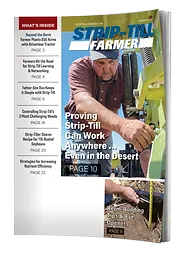
Strip-Till Farmer delivers a mix of features on strip-till farmers, strip-till management topics and trending practices in strip-till. This FREE quarterly print newsletter is available to qualified subscribers in the U.S. and Canada.
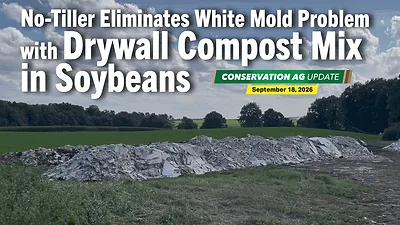
On this episode of Conservation Ag Update, brought to you by Yetter Farm Equipment, Allen Dornacker shares the benefits of using drywall in his compost mix in West Bend, Wis.
TarasPort Trailers is a North American trailer manufacturer specializing in custom over-the-road trailer solutions for fleets, owner operators, and military use. Our company designs precision-built equipment transport trailers, freight trailer solutions, and mobile power trailer solutions...
Founded in 1954, Sullivan Hardware is a local hardware store in Indianapolis, IN. We provide the best in class products, including artificial Christmas trees, grills, and patio furniture. Spanning nearly seven decades and two generations, our family-owned business also conducts unique grilling...
Aero Energy provides professional fuel delivery services in Pennsylvania and Maryland. We offer residential fuel delivery and commercial fuel delivery backed by more than 95 years of service. Homeowners rely on Aero Energy for trusted residential HVAC services with heating, air conditioning, and...