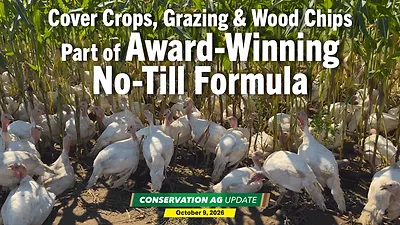
Cover Crops

Strip-Till, Cover Crops Could Help Prevent Nutrient Runoff Due to Extreme Rainfall

Nutrient runoff from agricultural production is a significant source of water pollution in the U.S., and climate change that produces extreme weather events is likely to exacerbate the problem. A new study from the University of Illinois Urbana-Champaign looks at how extreme rainfall impacts runoff and suggests possible mitigation strategies.
Read More
Batie.jpg

Cover Crop Tips from Strip-Tillers & Researchers

Management strategies, termination times & seed mixtures are all important aspects of a successful plan
“We strip-till everything,” says Don Batie, a farmer from Lexington, Neb. “We terminate the cover crop after planting. The cover crops help retain residue on the field and provide root action to repair the soil for the next year. We want growing plants between a dead cover crop.”
Read More
Planting Green

Working Smarter, Not Harder Helps Strip-Tiller Strive for 25% Reduction in P&K Application

Young Illinois farmer began strip-tilling his fields the fall before he got the deed to the land and by spring, even some of his closest doubters were convinced he was on the right track.
Clayton Coulter is a young man of purpose and it doesn’t take a long visit with him to realize the self-directed momentum that led him to launch his own farm at 24 years old as a strip-tiller for corn production — on land that had been 100% conventionally farmed for years.
Read More

Top Articles

Current Issue

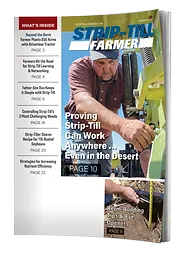
STF-Summer-2026_BookWithPages_Curl_art.png

Strip-Till Farmer

Strip-Till Farmer delivers a mix of features on strip-till farmers, strip-till management topics and trending practices in strip-till. This FREE quarterly print newsletter is available to qualified subscribers in the U.S. and Canada. 
View More

Must Read Free Eguides

Download these helpful knowledge building tools

View More
Top Directory Listings